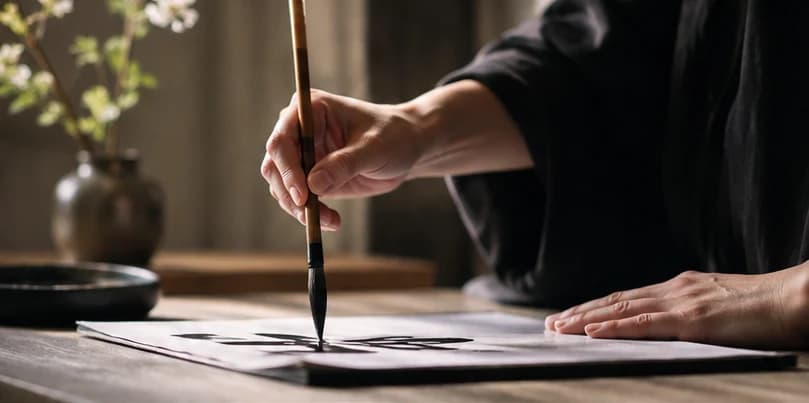
Shodo — recommended for UNESCO Intangible Cultural Heritage, 2026
Write Japan,
by hand.
A Japanese calligraphy workshop in English. Write your name in ancient Japanese characters — and take your work home.
- No experience needed
- All in English
- All materials provided
- Take your work home
WHAT IS SHODO?
The art of writing with a brush — part of everyday life in Japan.
Shodo (書道, “the way of writing”) is Japanese calligraphy: writing characters with a brush and black ink. Every stroke can only be written once, so each piece captures a single moment.
It isn't only for artists. Japanese children learn it at school, families write wishes at New Year, and handwritten characters still appear on signs, cards and gifts.
In November 2026, UNESCO's experts recommended Shodo for the Intangible Cultural Heritage list. The final decision is expected in December 2026.
HOW IT WORKS
Three simple steps
01
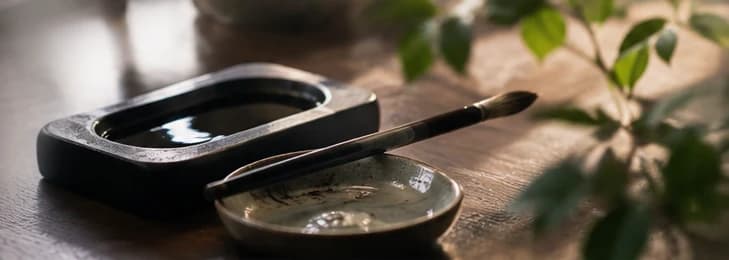
Grind the ink
Rub an ink stick on a stone with a little water. The quiet scent and sound help you slow down.
02
Hold the brush & write
Learn how to hold the brush and a few basic strokes, then write your piece — no experience needed.
03
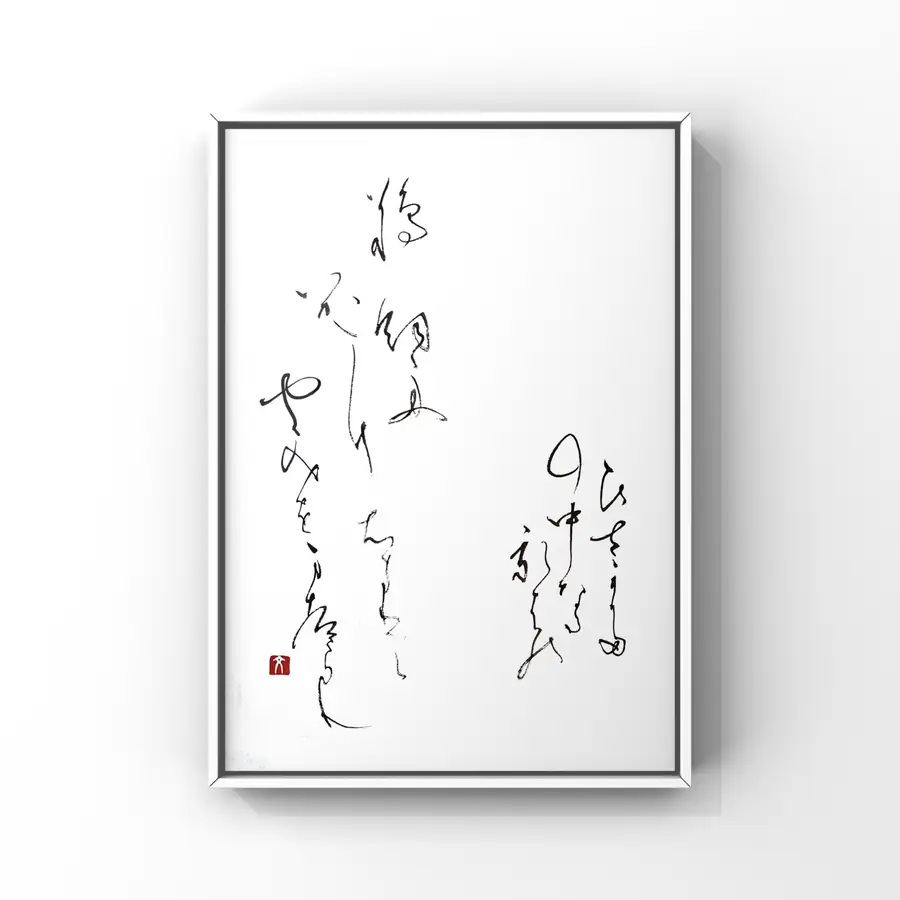
Stamp & take it home
Finish with a red seal stamp. Your work is dried, wrapped and yours to keep.
CHOOSE YOUR EXPERIENCE
Four experiences
- Best for first-timers
一字
One Big Word
Pick one meaningful word and write it large with a big brush.
Words like 和 (harmony), 縁 (connection) or 一期一会 (treasure this once-in-a-lifetime moment). Quick, energetic and great for groups.
- Good for
- First-timers · Groups · Short on time
- You take home
- Shikishi art board
- Best for first-timers
名前
Your Name in Ancient Japanese Characters
Turn your name into Japanese characters and write it on a square art board.
Before hiragana existed, Japanese was written with Chinese characters chosen only for their sound — called man'yōgana. We pick characters that sound like your name, and tell you what each one means.
- Good for
- First-timers · Families · Souvenir
- You take home
- Shikishi art board
かな
Hiragana — Japan's Own Script
Write soft, flowing Japanese letters with a fine brush.
Hiragana grew out of quickly written characters about 1,000 years ago and became the script of court poetry. You will try its graceful, connected lines.
- Good for
- Adults · Those who like detail
- You take home
- Paper strip or sheet
和歌
A Classical Poem on a Paper Strip
Copy a short Japanese poem onto a long, narrow strip of decorated paper.
Waka are five-line poems written for over 1,300 years. We choose one that fits the season of your visit and write it in a playful, 'scattered' layout.
- Good for
- Poetry lovers · Seasonal memory
- You take home
- Tanzaku paper strip
TRY IT NOW
See your name in Japanese characters
Each hiragana letter grew from an older character — あ (a) came from 安, い (i) from 以. Type your name below to see how it might look on your art board.
| Hiragana | Man'yōgana (source kanji) |
|---|---|
| え | 衣 |
| ま | 末 |
Each hiragana is shown with one representative kanji it developed from. Voiced and small kana use the kanji of their base sound. In the workshop, we choose characters together by their sound and meaning.
衣末
One stroke.
One moment.
Never the same twice.
YOUR CALLIGRAPHER
Somi Kubota
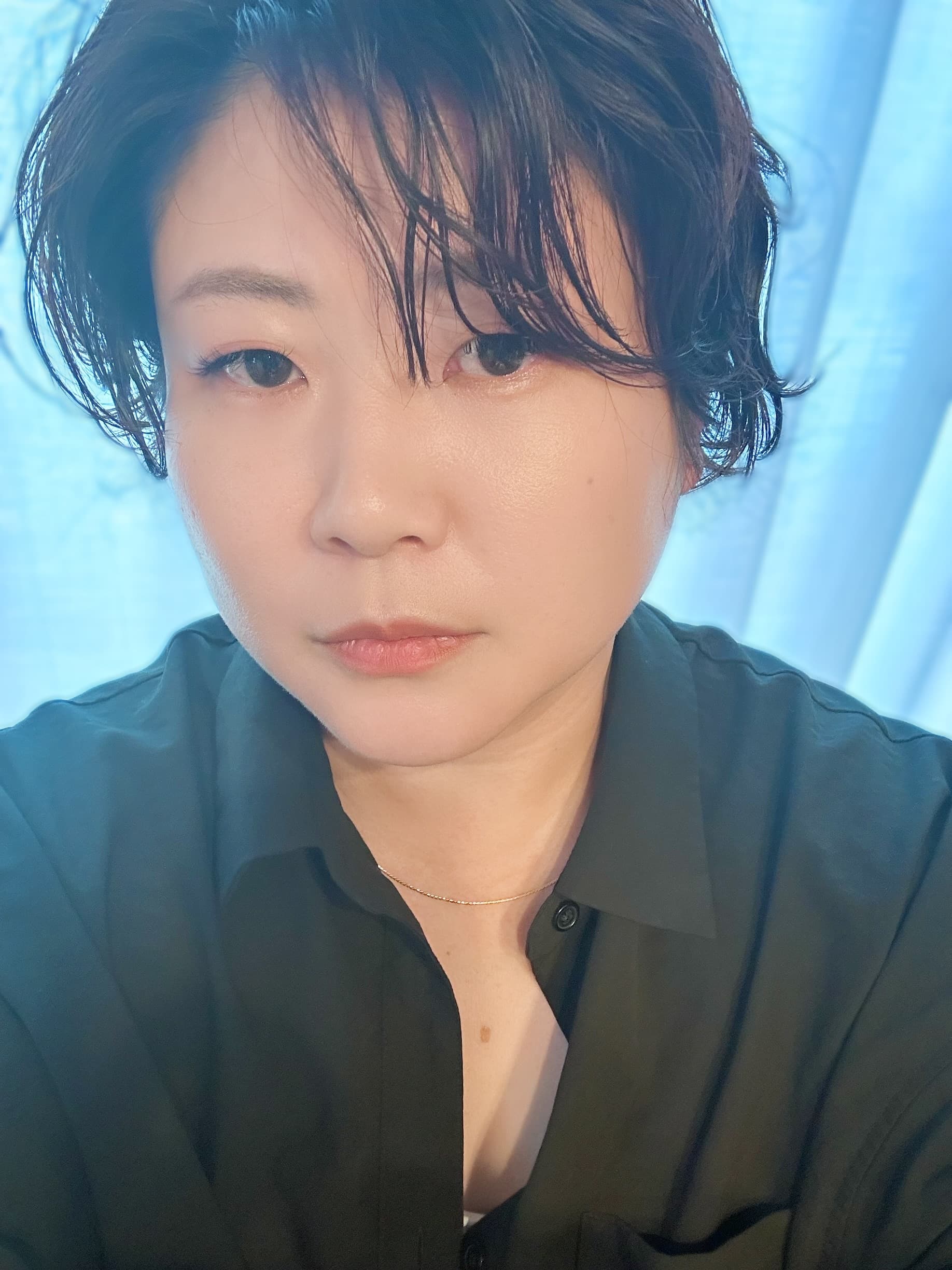
久保田 宗美
Certified calligraphy master and artist, based by the sea in Chigasaki, near Tokyo.
Somi began calligraphy at the age of two and a half. Today she is a member of the Onchikai calligraphy society, studying classical kanji and kana, creating artworks, and leading the Umi Shodo calligraphy school in Chigasaki.
Her background in the IT industry and years of working in China, in English and Chinese, shape her workshops: warm, clear and easy to follow for guests from any culture.
WORKS
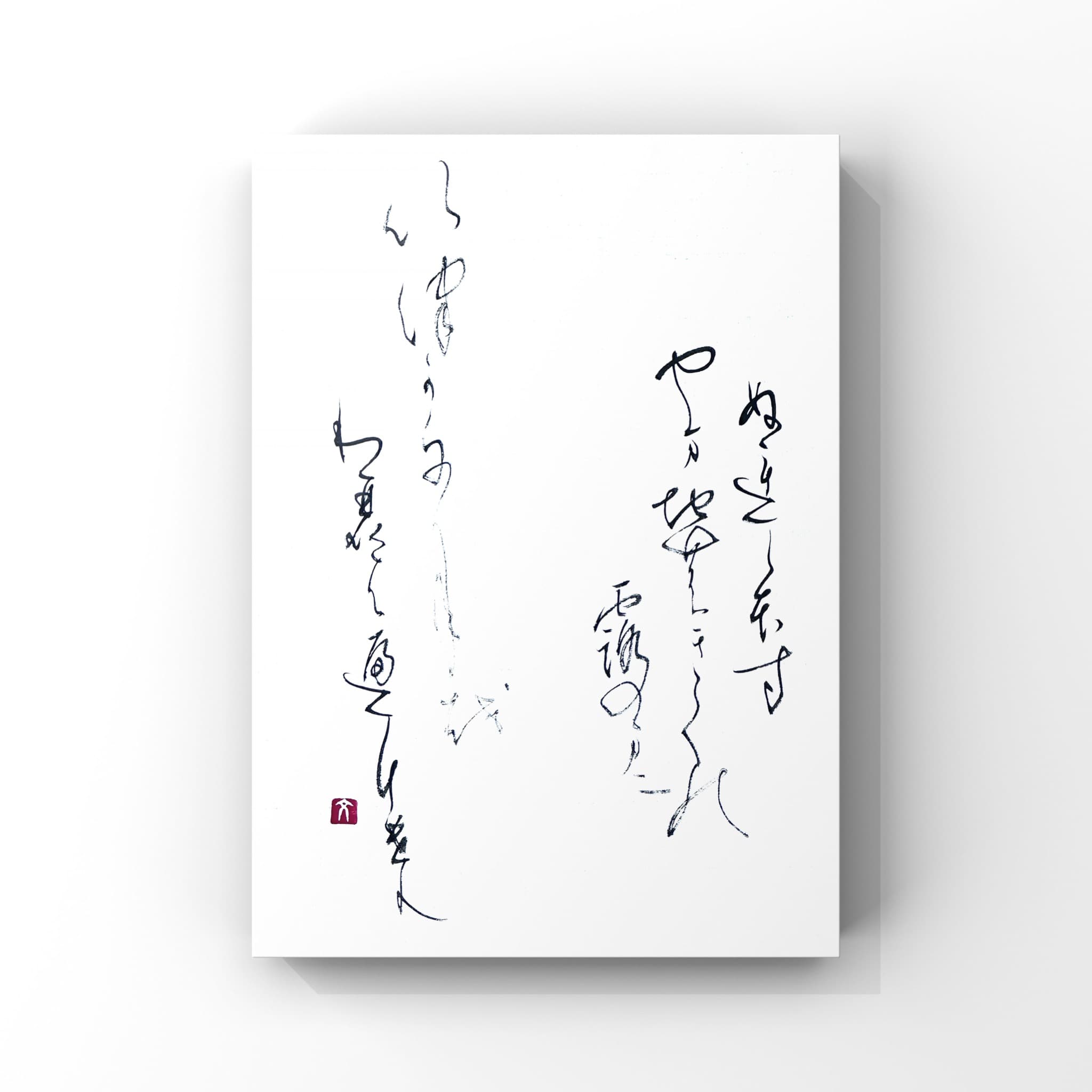
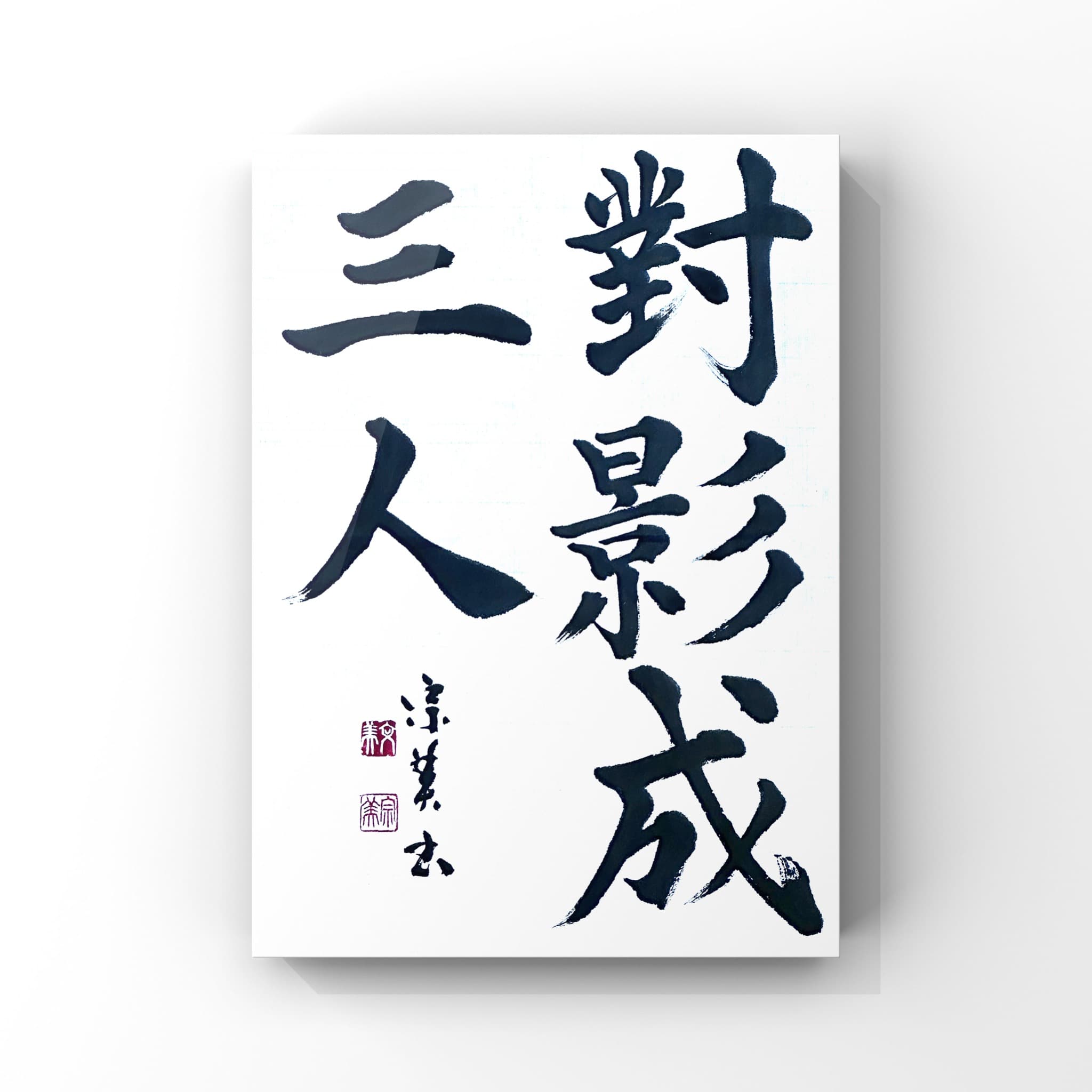
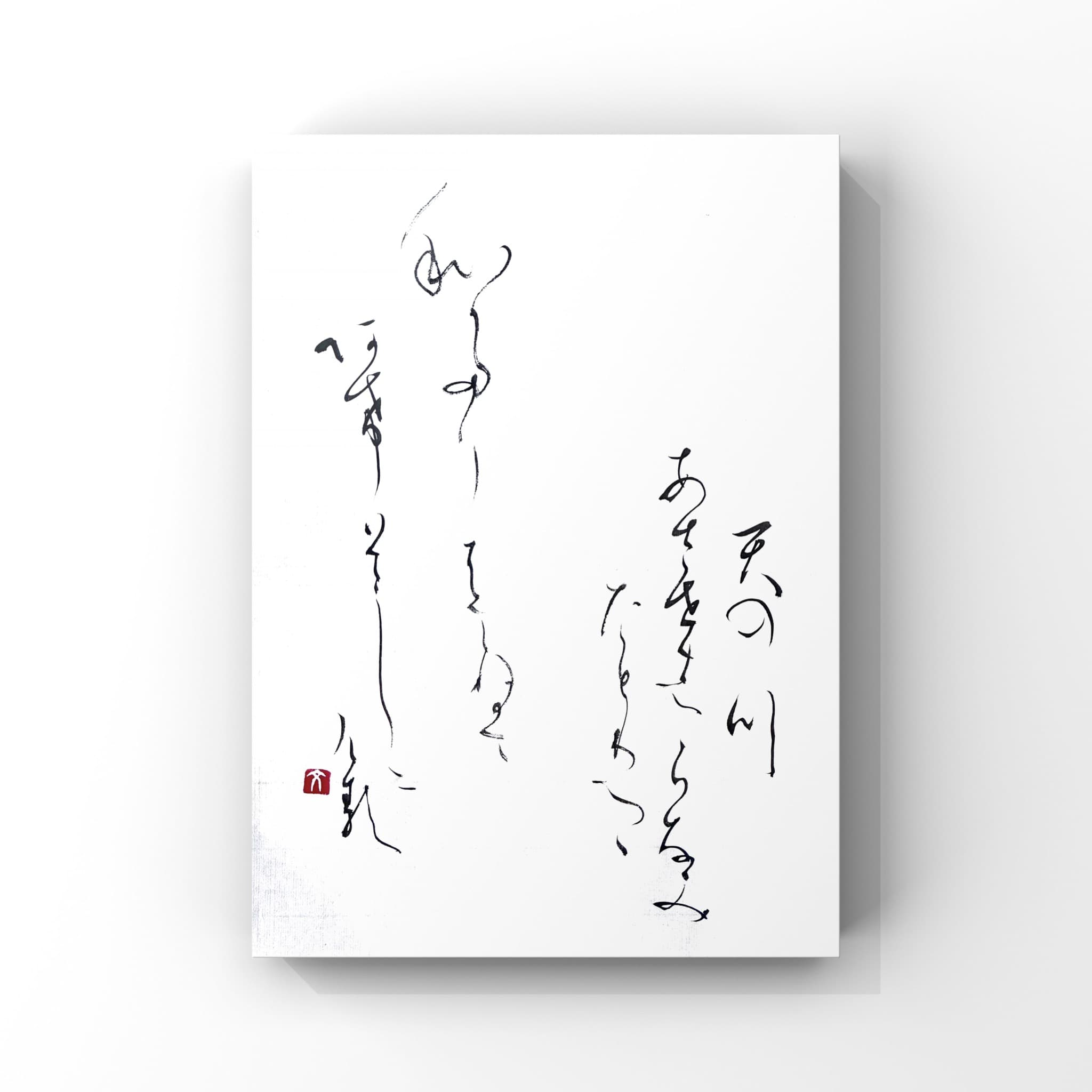
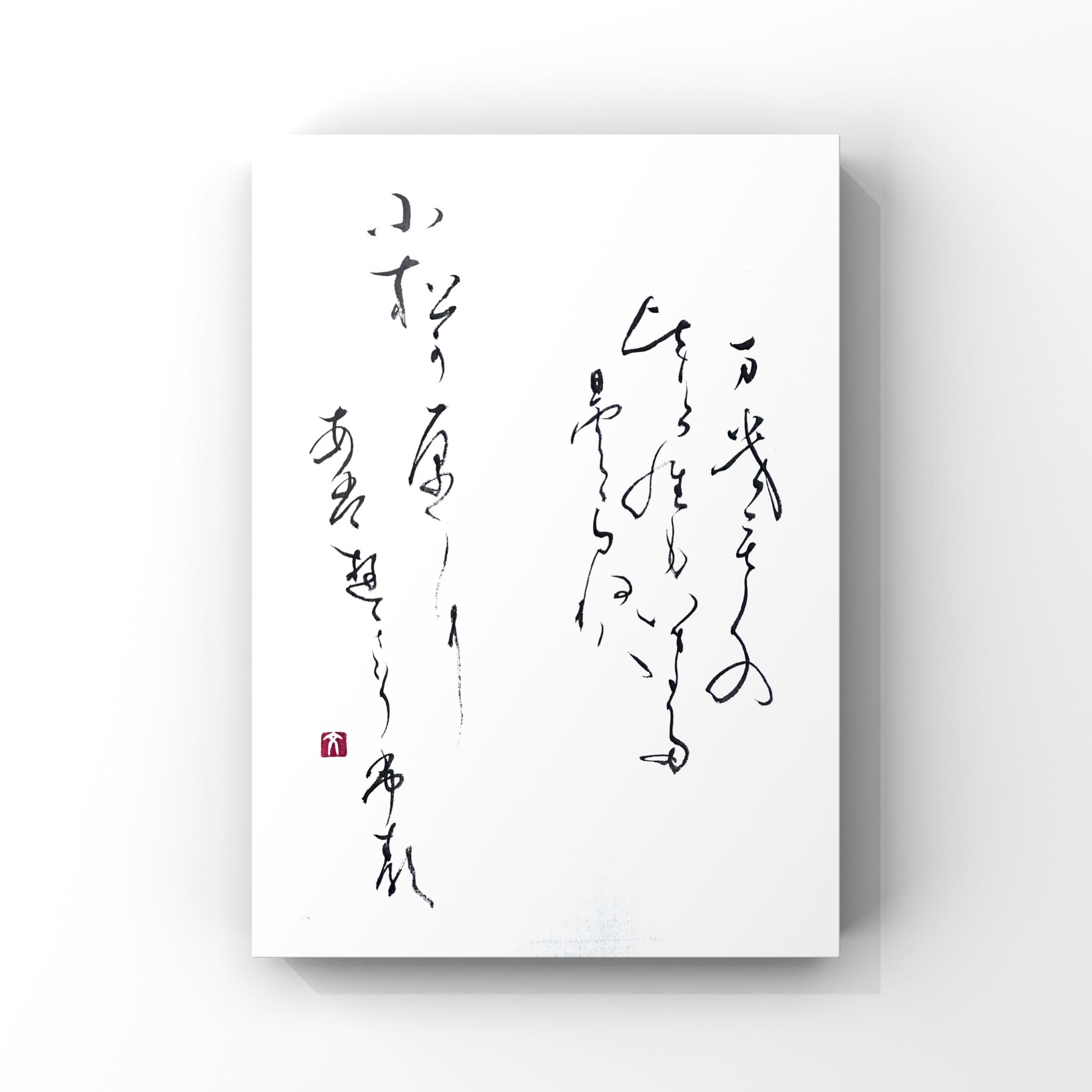
Works by Somi
AT A GLANCE
The essentials
- TIME
- About 90 minutes
- 60-minute and half-day versions available
- GROUP SIZE
- 1 to large groups
- Private sessions to tours and companies
- LANGUAGE
- English
- Japanese also available
- PLACE
- We come to you
- Hotels, ryokan and venues — Tokyo, Yokohama, Nagoya, Osaka and across Japan
- BRING
- Nothing
- Brushes, ink, paper and aprons are provided
- TAKE HOME
- Your own work
- Dried and wrapped for travel
FOR PARTNERS
Perfect for
Hotels & ryokan
A memorable in-house activity for your guests.
Travel agencies & tour operators
A hands-on cultural stop that fits any itinerary.
Events & venues
Workshop booths and live calligraphy demonstrations.
Companies visiting Japan
Team building and welcome receptions with a Japanese touch.
SEASONAL
Seasonal specials
JANUARY
New Year's writing
Write your wish for the year — a Japanese tradition called kakizome.
SPRING
Cherry blossom poems
A sakura poem on pale pink paper.
JULY
Star festival wishes
Write a wish on a paper strip and hang it on bamboo (Tanabata).
AUTUMN & WINTER
Autumn leaves & New Year cards
Seasonal poems, or greeting cards written with a brush.
GLOSSARY
Words you'll hear
- 書道Shodo
- The Japanese art of writing with brush and ink.
- 筆Fude
- The brush. Its soft tip makes lines thick or thin.
- 墨Sumi
- Black ink, made by rubbing an ink stick on a stone.
- 和紙Washi
- Traditional Japanese paper that soaks up ink beautifully.
- ひらがなHiragana
- Japan's own rounded alphabet, born about 1,000 years ago.
- 万葉仮名Man'yōgana
- Chinese characters used only for their sound — the ancestors of hiragana.
- 和歌Waka
- A classical five-line Japanese poem.
- 色紙Shikishi
- A square art board with a gold edge, made for display.
- 短冊Tanzaku
- A long, narrow strip of paper for poems and wishes.
- 落款Rakkan
- The red seal stamp that signs a finished work.
FAQ
Questions
I've never held a brush. Is that okay?
Yes! Almost everyone is a beginner. You'll get a model to follow and step-by-step help, and everyone finishes a piece.
I don't read Japanese. Will I understand?
Yes. Everything is explained in English, including what each character means. You don't need any Japanese.
Can children join?
Yes, families are welcome. We adjust the activity to the children's ages.
Will my clothes get dirty?
We provide aprons. Ink is hard to wash out, so clothes you don't mind getting a little dirty are best.
Can you come to our hotel or office?
Yes. We bring everything with us and travel across Japan, including Tokyo, Yokohama, Nagoya, Osaka, Fukuoka, Sendai.
How do I book, and how much does it cost?
Send us a message with your date, place and number of people. We'll reply with a plan and a quote.
SHARE
Help us share the beauty of Shodo with the world.
Share this page and join us in celebrating Japanese calligraphy.
BOOK A WORKSHOP
Let's write together.
Tell us your date, place and number of guests. We'll send a plan and a quote. Messages in English are welcome.